HORUS COMMUNI-CAR TECHNOLOGIES

Two perspectives for a clearer view of the road.

The vehicle provides signals. The person provides their situation. NOMAD-Edge aims to connect these perspectives with external context to make information clearer.

02 / OUR APPROACHTWO DIGITAL TWINS

Two perspectives.
A clearer understanding.

A digital twin is a computer representation that helps follow and understand a real system as it changes, using available information. HORUS brings two together.

01
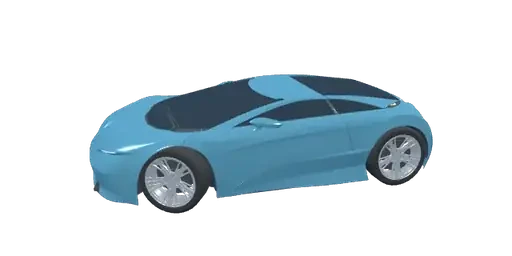
Rotating HORUS 3D car model
TemperatureSpeed · engine speed

THE VEHICLE

Understand what changes.

Its operation, available readings and how they change. The vehicle twin aims to identify what deserves attention.

Explore an example +

A temperature is interpreted alongside its evolution and the situation. Missing data stays missing; compatibility depends on the vehicle.
02
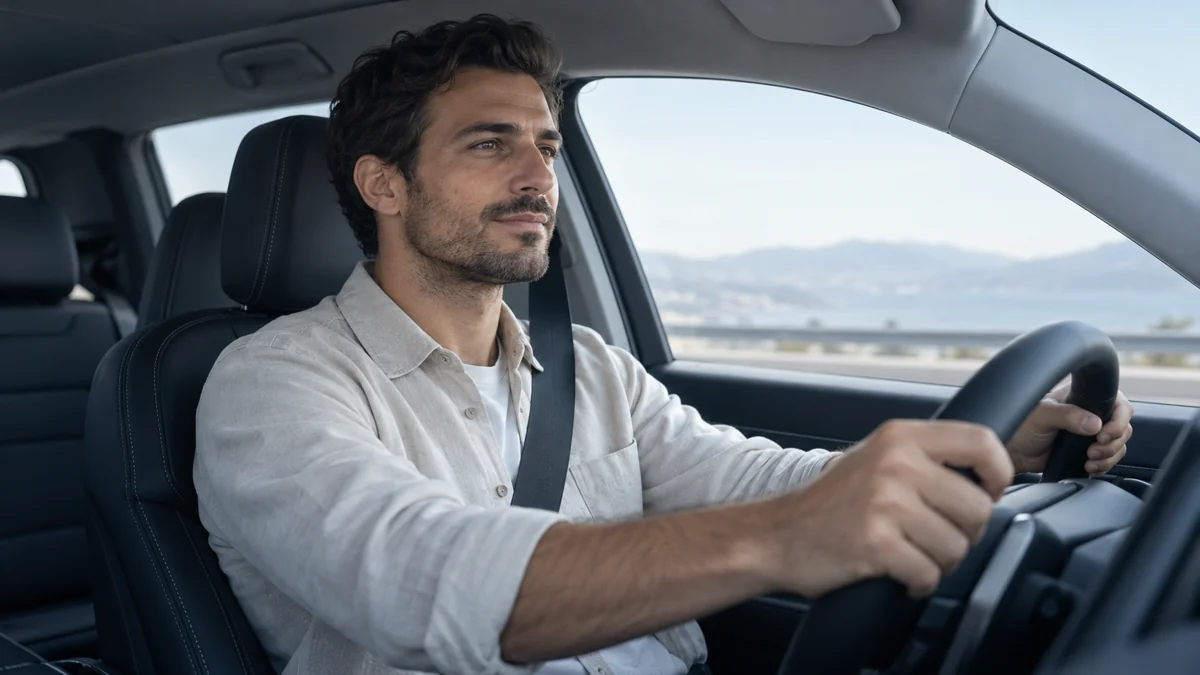
Realistic illustration of an attentive driver wearing a seatbelt at the wheelIllustrative visualDeclared situationDialogue · interaction

THE DRIVER / ROAD USER

Understand your situation.

Your feedback and authorised information provide another perspective. For more appropriate interpretation and dialogue.

What about your data? +

This representation implies neither systematic biometric collection nor medical diagnosis. The person controls the information shared.

+

All around: external context.

Weather, roads, traffic and terrain. Context separate from the two twins, when information is available.

Two twins + context→NOMAD-Edge→Explained information→Your decision

Technology connected by one purpose

One architecture.
Clearly stated maturity levels.

The statuses below distinguish work in development, target platforms and exploratory areas. They are neither certification nor a promise of availability.

NOMAD-EdgeIN DEVELOPMENTConnect information close to the vehicle.

Acquisition, normalisation, contextualisation, analysis and presentation functions are being progressively integrated and checked within the MVP. Their validation level depends on the module and tests completed.

NOMAD / CoreBoxHARDWARE TARGETGive embedded intelligence a hardware platform.

CoreBox is the target hardware platform. Current work uses prototyping hardware; CoreBox is not presented as an available product.

LINAUNDER STUDYCoordinate useful cooperation.

C‑V2X and LoRa are among the channels being considered for different scenarios. Selection will depend on range, latency, coverage, infrastructure, security, interoperability and the regulatory framework. No deployment or universal compatibility is claimed.

TrustworthinessCROSS-CUTTING REQUIREMENTKeep origins and limits in view.

Origin, integrity, permissions, traceability and human oversight guide the design. Their implementation and validation progress with the system’s building blocks.

SafeWeaveEXPLORATORYExtend the approach beyond the cabin.

This wearable, modular, non-medical pillar remains exploratory. No commercial availability is announced.

Telemetry · inspiration from motorsport

Follow the changes.
Understand their story.

In motorsport, a reading gains value when its evolution is understood. HORUS draws on this attention to signals in its approach to everyday vehicles, using the information actually available.

A methodological inspiration, with no Formula 1 affiliation or performance equivalence.

HORUS / NOMAD-EDGESIMULATED EXAMPLE
ENGINE SPEED2 840tr/min
TEMPERATURE89 °Cillustration
SPEED72km/h

Illustrative data: this display does not come from a connected vehicle or a real diagnosis.